
News
Your Practical Guide to Vehicle Graphics

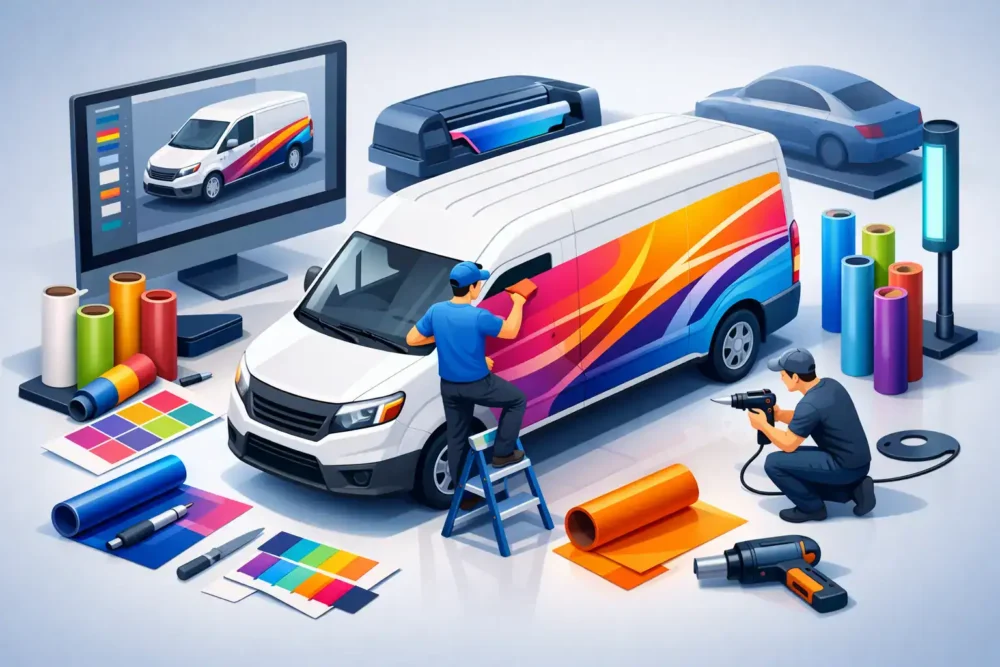
A van parked outside a customer’s property can be seen more often than a paid advert. That is why a well-planned guide to vehicle graphics starts with the job the vehicle needs to do: build recognition, generate enquiries, support a professional image, or make a fleet easier to identify on site. The right graphics turn everyday journeys, deliveries and site visits into practical advertising space.
For trades, contractors, retailers and service businesses, vehicle graphics need to work hard without making ordering difficult. The best choice depends on the vehicle, where it operates, how long you need the branding to last and how much of the bodywork you want to cover.
Choose the Right Type of Vehicle Graphic
Vehicle graphics range from simple cut vinyl lettering to full-colour printed wraps. There is no single best option. A local electrician with one van may need sharp, durable contact details on the side panels, while a contractor running several lorries may need consistent fleet branding that is easy to spot at a distance.
Cut vinyl lettering
Cut vinyl is a cost-effective option for company names, phone numbers, web addresses, service lists and simple logos. It is particularly effective on van doors, rear panels and tailgates. Because the design uses solid-colour vinyl rather than a printed background, it gives a clean, professional finish and is ideal where the message is straightforward.
This option is usually the sensible starting point when budget matters and the vehicle has a good paint finish. Keep the wording brief. A vehicle in traffic is not a brochure, so drivers should be able to understand what you do in a few seconds.
Printed vinyl graphics
Printed vinyl gives more freedom with colour, photographs, gradients and detailed logos. It suits businesses that rely on strong visual branding, promotional messages or product imagery. Printed panels can cover selected areas of a vehicle without the cost and commitment of a complete wrap.
For example, a catering company may use bold food photography on a van’s sides, while a construction business may use branded panels showing accreditations, services and a clear contact number. High-quality UV printing helps retain strong colour outdoors, but design decisions still matter more than visual effects. A cluttered layout can make even the brightest print difficult to read.
Partial wraps and full wraps
A partial wrap covers key sections such as side panels, rear doors, bonnet or cab. It offers major visual impact while using less material than a full wrap. This makes it a practical choice for businesses that want a premium look with controlled costs.
A full wrap covers most or all painted surfaces and creates the strongest brand presence. It can also help protect original paintwork from minor marks and UV exposure. However, it costs more, takes greater care to install and may not be worthwhile for a vehicle due to be replaced soon. If your branding may change within a year or two, printed panels or cut lettering are often the more flexible choice.
Magnetic vehicle signs
Magnetic signs are useful for people who use a personal car for work, temporary promotions or occasional site visits. They can be fitted and removed quickly, but they are not a replacement for permanent graphics on a hard-working commercial vehicle. They need clean, dry, flat metal panels and should be removed regularly for cleaning. They are also more vulnerable to theft, wind and poor positioning.
A Guide to Vehicle Graphics That Get Noticed
The most effective vehicle graphics are designed around visibility, not around fitting every detail onto the bodywork. Start with your business name or logo, a short description of what you do and one clear way to contact you. For most businesses, that means a phone number, website address or both.
Think about viewing distance. The side of a van might be seen from across a road, while rear-door graphics are often read in slow-moving traffic. Large lettering, strong contrast and clear spacing are more valuable than a long list of services. Dark lettering on a light vehicle, or light lettering on a dark vehicle, usually produces the clearest result.
Your logo should be prominent, but it should not overpower the practical message. If someone sees your van for three seconds at a junction, they should know the company name, the service and how to make contact. Use a QR code only as an extra detail. It can be useful when a vehicle is parked, but it will not be scanned by someone passing at speed.
Avoid placing essential information across door gaps, handles, fuel caps, curved edges or deep panel recesses. These areas can break up text and make a strong design look untidy. A free design proof is useful here because it lets you check scale, positioning and readability before production begins.
Match Materials to the Vehicle’s Working Life
Not all vinyl graphics are made for the same conditions. A vehicle used daily on motorways, construction sites or coastal routes will need durable materials and a properly prepared surface. Dirt, diesel residue, road salt and frequent washing all affect adhesion over time.
For permanent branding, use quality outdoor vinyl suited to vehicle application. The material should follow curves and panel contours without lifting at the edges. Laminated printed graphics provide added protection against scuffs, weather and fading, especially where a vehicle is washed regularly.
The condition of the vehicle matters too. Vinyl adheres best to sound, smooth paintwork. Rust, flaking lacquer, fresh paint and damaged panels can create problems. Graphics may cover small cosmetic marks, but they will not repair the surface underneath. If paint is already failing, removing vinyl later can pull away loose finish.
Before installation, clean the vehicle thoroughly and remove wax, polish and grease. A professional fitting area should be dry, clean and suitably warm. Applying graphics outside in poor weather can save time at the start, but it increases the risk of trapped dirt, poor adhesion and an uneven finish.
Plan Fleet Graphics for Consistency
Fleet branding is not simply a larger version of one-van branding. When vehicles vary in size, from cars and pickups to vans and lorries, the layout must be adaptable while still looking like one business. Use the same core colours, logo treatment and message across every vehicle, then adjust the placement for each body style.
Keep the design consistent on both sides and the rear wherever possible. Rear doors are valuable space because they sit directly in the line of sight of other road users. Make sure important details are not split by the central door seam or obscured when one door is opened.
For construction and infrastructure businesses, vehicle graphics can also support site operations. Fleet numbers, company identifiers and clearly displayed contact details make it easier to manage deliveries, visitors and subcontractors. Where site safety messaging is required, keep it separate from the main brand message so both remain readable.
If your fleet changes regularly, standardise the artwork and retain approved files. This makes replacement graphics faster, keeps colours consistent and avoids redesign costs every time a new vehicle arrives. Big Value Banners can support this kind of practical ordering with custom print options and free design assistance, helping buyers move from artwork approval to production without unnecessary delay.
Check Practical and Legal Details Before Print
Vehicle branding should never obscure number plates, lights, mirrors, cameras, sensors or legally required markings. On commercial vehicles, take extra care around chevrons, reflective markings and safety information. Graphics must not interfere with their visibility or effectiveness.
Reflective vinyl can improve visibility in low light, but it should be used with a clear purpose and in line with the vehicle’s operational requirements. It is not automatically right for every design. Likewise, window graphics need suitable perforated material where visibility from inside the vehicle must be retained.
Check the exact vehicle model before artwork is approved. Panel shapes, wheel arches, door handles and windows vary even between similar vans. Accurate photographs and measurements reduce surprises and help ensure graphics fit the usable areas rather than the theoretical panel size.
Make Your Vehicles Earn Their Keep
Vehicle graphics are most valuable when they are treated as part of your wider signage, not as a one-off purchase. Match the colours and message with your site boards, hoarding panels, banners, window graphics and exhibition displays. Customers who see your branding at a site, then later see the same van locally, are more likely to remember the business.
Start with a clear message, choose coverage that suits the vehicle’s working life, and invest in materials that can handle the road ahead. A clean, well-fitted graphic does more than decorate a van – it gives every journey a commercial purpose.


