News
Window Graphics That Work Harder for Your Space

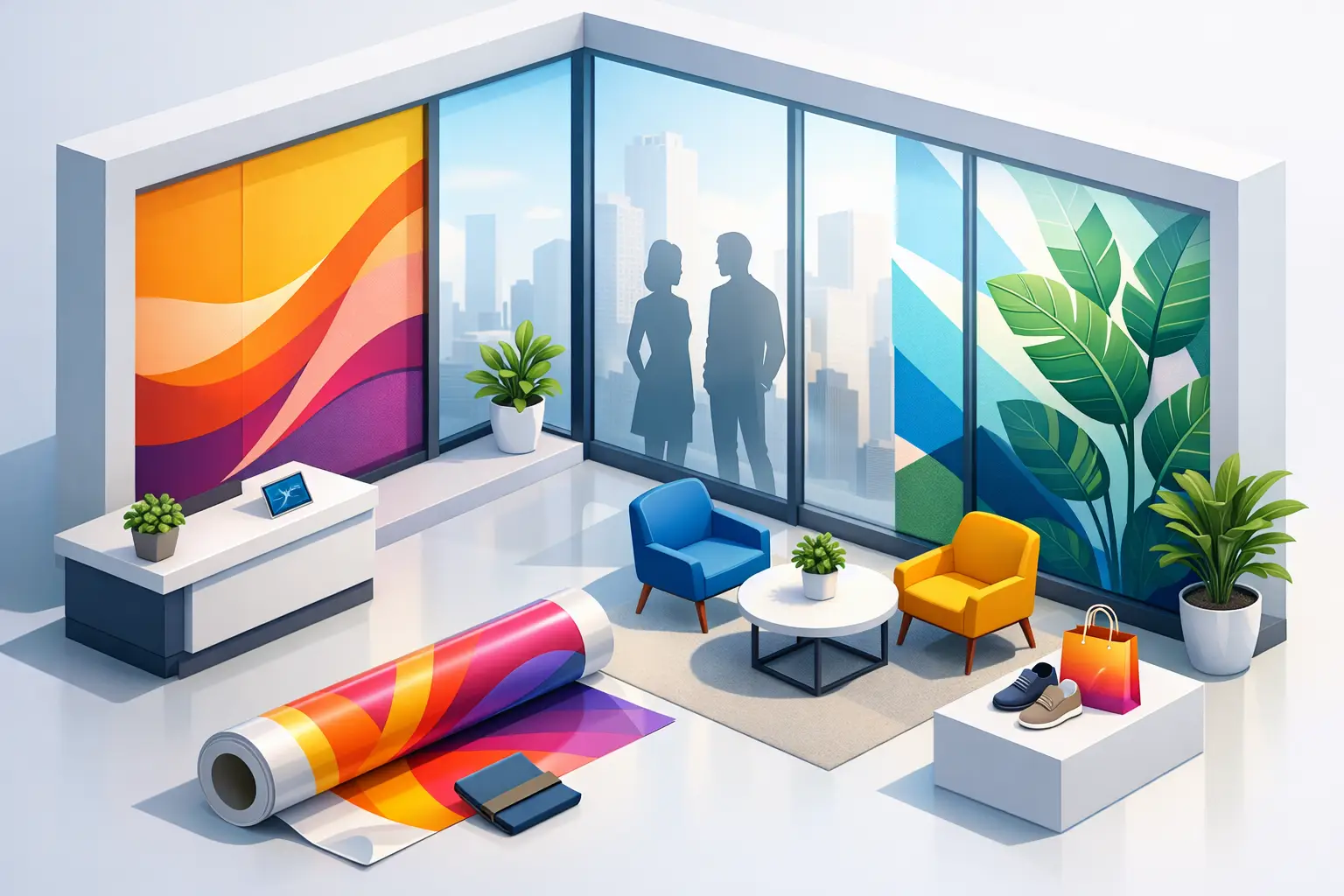
A bare shopfront, glazed office partition or site cabin window is valuable advertising space that many businesses leave unused. Custom window graphics turn that glass into a clear, hard-working display for branding, offers, directions, privacy or safety messaging, without taking up extra floor space.
For retailers, they can stop passing trade and promote a seasonal campaign. For offices and clinics, they can create privacy while keeping interiors bright. For contractors and site managers, they can identify cabins, manage access points and keep project branding visible. The right product depends on where the graphic will sit, how long it needs to last and what people need to see through it.
What window graphics can do for your business
Window vinyl is a practical choice because it works across many commercial settings. It can be printed in full colour, cut to shape or supplied as a subtle frosted finish. Unlike a poster taped to the glass, a professionally produced graphic looks intentional, stays put and gives your premises a more finished appearance.
For customer-facing businesses, the main job is usually visibility. A strong logo, a simple offer, opening hours or a large campaign visual can make a window easier to notice from the pavement or car park. The most effective designs communicate one message quickly. A window crowded with product images, small print and several calls to action may look busy without being easy to read.
Operational sites often need a different approach. Branded graphics on a reception window, welfare cabin or gatehouse can help visitors find the right place and reinforce a professional, well-managed site. They can also support messages such as authorised access only, visitor reporting points or delivery instructions. Where glass panels form part of a route or entrance, high-visibility manifestations can make them safer and easier to identify.
Choosing the right type of window graphic
There is no single window film that suits every job. A high street promotion has different requirements from a meeting-room privacy panel or a temporary event display. Selecting the right material at the start avoids disappointing results and unnecessary replacement costs.
Printed self-adhesive vinyl
Printed adhesive vinyl is the standard option for full-colour logos, campaign visuals, opening times and promotional messages. It is suited to short- to medium-term applications and gives businesses plenty of design freedom. It can cover all or part of a pane, depending on how much light and visibility you want to retain.
This is a strong all-round choice for shop windows, salons, estate agents, gyms, showrooms and internal glazed areas. For external-facing displays, artwork should be bold enough to read at the distance customers will view it from. A message designed to be read at two metres will not necessarily work from across a road.
One-way vision window film
One-way vision film uses a perforated surface to display a printed image on one side while allowing people on the other side to look out through the material. It is particularly useful for retail windows, vehicle windows and glazed areas where branding is needed without completely blocking the view or daylight.
The trade-off is that the see-through effect depends on lighting. It generally performs best when the viewing side is brighter than the inside. At night, with bright internal lights and darker conditions outside, the effect can reduce. It is worth considering how the space is used throughout the day rather than judging the material only in daylight.
Frosted window graphics
Frosted film creates a clean etched-glass appearance at a fraction of the cost of replacing or treating glass. It is ideal for offices, clinics, studios, salons and meeting rooms where privacy matters but natural light is still welcome.
A frosted finish can cover a complete panel, form a privacy band at eye level or be cut into logos, patterns and shapes. This makes it useful when a business wants a smart, understated look rather than a full promotional display. It also works well alongside printed vinyl, with frosted areas providing privacy and coloured elements adding brand recognition.
Clear window vinyl
Clear film is useful when the graphic itself needs to appear to sit directly on the glass. It is often chosen for smaller logos, opening hours, directional arrows and details that should not have a visible background. Because the surrounding glass remains exposed, the design needs careful artwork preparation to stay legible against whatever sits behind it.
White ink or a white backing layer may be needed where colours must remain vivid on clear material. Without it, printed colours can appear translucent or change depending on the light and background behind the window.
Window graphics for shops, offices and sites
Retailers need window displays that attract attention without making the premises feel closed off. A combination of large campaign graphics at the bottom or sides of the glass, plus concise information at eye level, often gives the best balance. Keep essential details such as opening times, contact information and key offers clear of door handles, frames and likely sightlines.
For offices, window graphics should support the experience of staff and visitors. Frosted bands can define meeting rooms, prevent accidental collisions with clear glass and reduce distractions. Branded vinyl at reception can help a shared or multi-tenant building feel more professional. If privacy is the priority, think about seated and standing eye lines before deciding on the height of the film.
On construction projects, graphics need to be more functional. Cabin identification, contractor branding, directional messaging and access notices should be readable, durable and placed where they will not be obstructed by equipment or temporary fencing. If the site changes regularly, temporary graphics may make more commercial sense than a long-life permanent installation.
Get the artwork, sizing and viewing direction right
A good print result starts before production. Measure the visible glass area, not just the overall frame. Recessed panes, rubber seals, handles, mullions and door furniture can all affect the final size and placement. For larger glazed elevations, a simple sketch showing each pane and its dimensions helps prevent errors.
Decide whether the graphic will be fitted inside or outside the window. Internal fitting protects the print from weather, cleaning and accidental damage, and can be a sensible choice for many storefronts. However, if the artwork needs to be read correctly from outside through the glass, it must be produced in reverse for internal application. This is an easy detail to miss, especially with text, logos and directional arrows.
Artwork should use high-resolution images and vector logos wherever possible. Small files pulled from social media, screenshots and compressed images often look acceptable on screen but can become soft or pixelated when printed large. Keep text large, use strong contrast and avoid placing critical wording over a detailed image.
At Big Value Banners, free design support and proofs can help buyers confirm sizing, layout and print direction before the job goes into production. That extra check is particularly useful for multi-panel windows, mirrored internal graphics and designs that need to align with existing signage.
Installation and care affect the finished result
Even high-quality printed vinyl can look poor if it is applied over dusty, greasy or damp glass. Clean the surface thoroughly, remove adhesive residue and allow the pane to dry before fitting. Installation is easiest in stable, dry conditions, particularly for larger graphics.
Small decals can be fitted carefully by an experienced member of staff, but large shopfront panels and perforated films are often worth handing to a professional installer. They have the tools to position the graphic accurately, remove air bubbles and trim neatly around frames. The cost can be justified when the window sits at the front of a busy premises or the design covers several panes.
Once fitted, clean window graphics gently with a soft cloth and mild soapy water. Avoid abrasive pads, harsh solvents and pressure washing close to edges, as these can damage the print or lift the film. If a graphic is temporary, plan its removal date around the campaign so outdated offers do not remain on display.
Make every pane earn its place
The best window display is not always the biggest or brightest. It is the one that gives people the information they need at the point they need it, whether that means a bold sale message, a private meeting room or a clearly marked site entrance. Start with the job the glass needs to do, choose the film to match it and keep the artwork direct. A well-planned graphic can make an ordinary window work harder for your brand every day.


