News
What Are Heras Fence Banners? A Practical Guide

A temporary fence line is often the first thing the public, clients and passing trade see. That makes the question, what are heras fence banners, more useful than it may first appear. These printed covers turn standard temporary fencing into clear site branding, privacy screening and practical messaging space – without the cost of permanent signage.
For contractors, developers, event teams and local businesses, Heras fence banners are an affordable way to make a boundary work harder. They can promote a project, display safety information, reduce visibility into a site or create a smarter, more professional perimeter.
What are Heras fence banners?
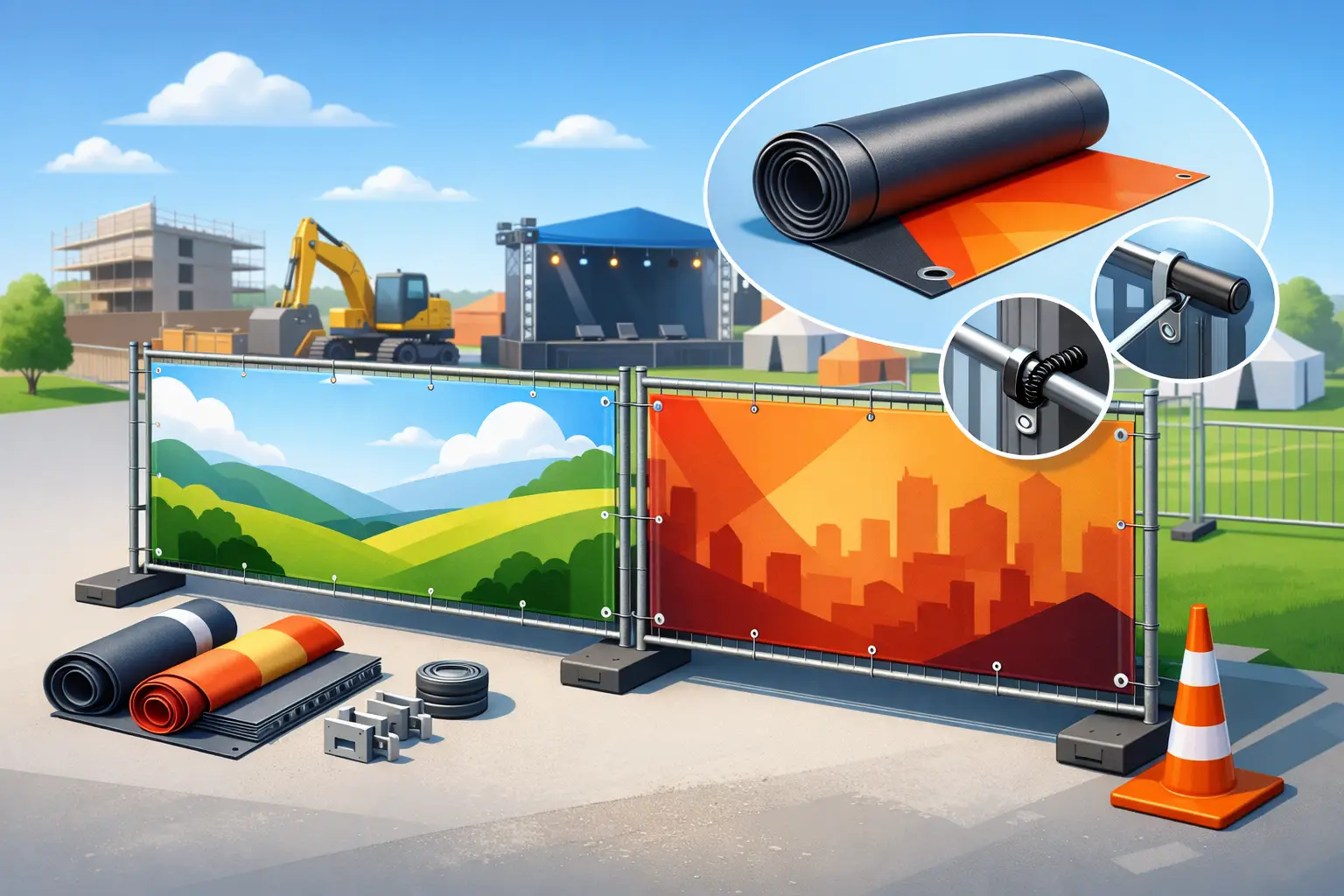
Heras fence banners are custom-printed banners designed to fit temporary steel fence panels, commonly known across the UK as Heras fencing. The panels are widely used around building sites, roadworks, vacant properties, outdoor events and temporary compounds. A banner is fixed to the fencing using eyelets and cable ties, bungee ties or a similar suitable fastening.
The artwork can be as simple as a company logo and contact details, or as detailed as a full-colour project visual, safety campaign or sponsor display. Because each banner is printed to order, businesses can match existing brand colours, include site-specific information and choose a design that suits the location.
They are not the same as a standard advertising banner hung on a wall. Heras banners need to suit the size, movement and exposed conditions of temporary fencing. Material choice, fixing points and wind exposure all matter if the finished display is to look good and stay secure.
Why use banners on temporary fencing?
Bare fencing does its job, but it can make a finished development, retail opening or public event look unfinished. Printed fence banners give the perimeter a clear purpose. On a construction site, they can communicate who is working there and where enquiries should go. At an event, they can create sponsor visibility and help separate operational areas from public space.
Privacy is another common reason for ordering them. A banner can obscure equipment, materials and work activity from view, helping create a tidier appearance for neighbours and visitors. It does not replace proper site security measures, but it can prevent a site from looking open and exposed.
There is also a straightforward commercial benefit. Temporary fencing creates a large amount of highly visible print space that is already paid for as part of site setup. Adding branded covers turns that otherwise blank perimeter into ongoing advertising for the duration of a project.
PVC or mesh: choosing the right banner material
The most suitable material depends on where the fence is located and how exposed it is. Solid PVC banners provide strong colour reproduction and greater visual coverage. They are a popular choice for sheltered areas, internal compounds, retail works and sites where privacy is the main priority.
Mesh banners have small perforations that allow air to pass through. This reduces wind resistance and makes them the better option for exposed boundaries, long runs of temporary fencing and open sites where gusts are likely. The print remains clear from a normal viewing distance, although close up the material has a visibly perforated finish.
Neither option is automatically better. A solid banner can deliver a bolder, more enclosed look, while mesh is generally the safer practical choice in windy conditions. Site managers should consider the location, fence stability, banner coverage and fixing method before making a decision. In some cases, using mesh on exposed elevations and PVC in sheltered areas gives the best balance of appearance and performance.
Typical sizes and how banners are fitted
Temporary fence panels vary, but a common UK panel is approximately 3.5 metres wide by 2 metres high. Heras fence banners can be made to suit a full panel, part of a panel or a continuous run across several panels. Custom sizing is particularly useful where gates, corners, pedestrian access points or uneven fence layouts need to be accommodated.
Most banners are supplied with reinforced hems and eyelets around the edge. These make it easier to spread the load across the banner and secure it to the panel at regular intervals. Fixings should be tight enough to prevent excessive flapping, but not so tight that the material is strained at the eyelets.
For a neat result, start at one top corner and work across the top edge before securing the sides and bottom. Check that the graphic is level before fully tightening the fixings. On larger installations, it is sensible to inspect banners regularly, especially after high winds or site changes.
Do not attach banners in a way that obstructs emergency access, blocks required notices or compromises a gate’s operation. If fencing is part of a managed construction setup, follow the site’s own safety procedures and the requirements of the fencing supplier.
What should be printed on a Heras banner?
The most effective design is usually the one people can understand in a few seconds. A fence line is rarely viewed at close range for long, so small paragraphs and crowded artwork tend to be wasted. Strong branding, a clear message and a readable contact method are more valuable than trying to include every service a business offers.
Construction companies often use their logo, project name, web address, telephone number and contractor credentials. Developers may include a CGI of the completed scheme, sales messaging or a future opening date. Event organisers can use banners for sponsor logos, directional messaging, restricted-area notices and consistent event branding.
Where safety messaging is needed, make it direct and separate it visually from promotional content. Essential warnings, site rules and statutory notices should remain clear, legible and placed where people will actually see them. A branded banner can support site communication, but it should not be treated as a substitute for the correct dedicated safety signage.
High-resolution logos and images are vital for large-format printing. If you only have a low-quality image taken from a website or social media profile, it may look pixelated when enlarged. A free design service and proof process can help identify issues before production, which is far better than discovering them once the banners are installed.
Where Heras banners deliver the most value
Construction and infrastructure sites are the most obvious applications, particularly on development boundaries facing busy roads, residential areas or customer-facing premises. But the format is equally useful for festivals, sporting events, school works, car parks, property refurbishment and short-term retail projects.
A long fence run can also support different messages in different areas. The public-facing side might carry brand or project information, while internal sections can display wayfinding or operational reminders. This is especially useful on large sites where visitors, delivery drivers and subcontractors enter through separate points.
For smaller businesses, even a short run of branded fencing can create a polished presence during shop fitting, exterior works or local sponsorships. It is a cost-effective alternative to building a bespoke display structure for a temporary period.
Ordering practical, site-ready banners
Before placing an order, measure the usable area of the fencing rather than relying only on a nominal panel size. Allow for clamps, feet, gates and any overlap required at joins. Confirm whether you need one banner per panel or fewer, wider banners across a continuous run.
Think about how long the banners will be in place, whether they will face prevailing wind and how regularly they may need to be moved. These details influence the material and finishing specification. They also help avoid ordering a product that looks right on screen but is unsuitable for real site conditions.
At Big Value Banners, custom Heras banners are produced in Britain with full-colour UV print, practical finishing options and support with artwork and proofs. That means trade buyers can order banners sized for the job, keep branding consistent across site boards and hoarding, and move quickly when a project deadline changes.
A well-planned fence banner does more than cover steel panels. It gives a temporary boundary a professional finish, puts your name in front of the right audience and helps every active site look organised from the outside.


